admin

Understanding the 16 Days of Activism Against Gender-Based Violence

The 16 Days of Activism Against Gender-Based Violence is an annual international campaign that begins on November 25, the International Day for the Elimination of Violence Against Women, and concludes on December 10, Human Rights Day. Launched by activists at the inaugural Women’s Global Leadership Institute in 1991, this campaign aims to galvanize action to prevent and eliminate violence against women and girls globally. Objectives of the Campaign The campaign seeks to: 1. Raise awareness about the pervasiveness of gender-based violence (GBV) and its impact on individuals, families, and communities. 2. Advocate for stronger policies and legislation to combat GBV. 3. Mobilize global and local efforts to create a safe, equitable environment for women and girls. 4. Encourage everyone to take action and participate in ending violence. Each year, the campaign operates under a specific theme to highlight critical areas of concern. For 2024, the theme is “From Awareness to Accountability”, emphasizing the transition from merely recognizing GBV as a global issue to taking concrete, measurable steps to address and prevent it. Activities and Significance During these 16 days, individuals, organizations, and governments host events, discussions, and initiatives such as workshops, marches, and social media campaigns. The color orange, symbolizing a brighter future free from violence, is prominently used to represent solidarity. This period is also an opportunity to reflect on progress made and the work still needed to achieve gender equality and safeguard human rights. By participating in the 16 Days of Activism, we contribute to a global movement striving to create a world where everyone can live free from fear and violence. Let us join hands and be part of the change. You can get more information Here   National and International Days, Special feature Understanding the 16 Days of Activism Against Gender-Based Violence admin25/11/2024 National and International Days, Special feature, Uncategorized The African Girl Child. admin10/10/2024 Campaigns, Counties, Kisumu, National and International Days, ONe Billion Events Earth Day marked with Anti-Plastic Campaign in Kisumu Markets admin23/04/2024 Counties, National and International Days, ONe Billion Events, Siaya World Health Day, One Billion Rising Kenya at Ober Primary School Siaya admin07/04/2024 National and International Days, ONe Billion Events, One Billion Rising Days International Women’s Day 2024 in Kisumu admin09/03/2024


Share info with friends

The African Girl Child.

The African girl child faces a unique set of challenges that hinder her ability to reach her full potential. Despite progress in recent years, many girls still struggle with access to education, especially in rural areas where cultural norms and poverty remain barriers. Gender-based violence, early marriage, and teenage pregnancy disproportionately affect girls, often cutting their education short. Limited access to health services and inadequate menstrual hygiene facilities further disadvantage girls, contributing to absenteeism and dropout rates in schools. It is crucial for both governments and communities to take urgent action. Governments must enforce laws that protect girls from early marriage, violence, and ensure free and compulsory education for all children. Education programs should also include comprehensive sexual health education to equip girls with the knowledge they need to stay safe and healthy. Additionally, investing in mentorship and empowerment programs can give girls the tools to build their confidence and leadership skills. Communities play a vital role in reshaping cultural norms and attitudes. By creating safe spaces for girls to express themselves and ensuring local leaders advocate for their rights, communities can foster environments where girls can thrive. Together, we can create a world where the African girl child is free to dream, learn, and lead. Let’s act now to break the barriers and uplift the future of our girls.  

Share info with friends

Understanding Breast Cancer

Breast cancer is one of the most common cancers affecting women worldwide, though men can also develop it in rare cases. It occurs when abnormal cells in the breast grow uncontrollably, forming a lump or mass. While early detection increases the chances of successful treatment, understanding what breast cancer is, its causes, symptoms, and treatment options is vital for everyone. What is Breast Cancer? Breast cancer originates in the cells of the breast, typically in the ducts (tubes that carry milk to the nipple) or lobules (glands that produce milk). It can be invasive, meaning the cancer has spread to surrounding tissues, or non-invasive, confined within the ducts or lobules. Breast cancer is categorized into various types, such as ductal carcinoma in situ (DCIS), invasive ductal carcinoma (IDC), and triple-negative breast cancer, depending on its behavior and specific characteristics. Causes of Breast Cancer The exact cause of breast cancer remains unknown, but several factors can increase the risk of developing the disease. These include: 1. Genetic mutations: Inherited gene mutations, particularly BRCA1 and BRCA2, increase the likelihood of breast cancer.2. Family history: Having close relatives with breast cancer may raise the risk.3. Age: Women over 50 are more likely to develop breast cancer.4. Hormonal factors: Long-term exposure to estrogen, either through early menstruation, late menopause, or hormone replacement therapy, can elevate the risk.5. Lifestyle factors: Smoking, alcohol consumption, obesity, and lack of exercise have been linked to a higher risk of breast cancer. Symptoms of Breast Cancer The symptoms of breast cancer can vary from one person to another. Common signs include: A lump or thickening in the breast or underarm Changes in the shape, size, or appearance of the breast Nipple discharge, especially if bloody Redness or scaling on the breast or nipple Pain in the breast that doesn’t go away with timeIt is important to note that not all lumps are cancerous, but any noticeable changes should be examined by a healthcare professional for early detection. Treatment Options Breast cancer treatment varies depending on the stage and type of cancer. The most common options include 1. Surgery: Removing the cancerous tissue through a lumpectomy (removal of the tumor and some surrounding tissue) or mastectomy (removal of the whole breast).2. Chemotherapy: Drugs used to kill cancer cells or shrink tumors before surgery.3. Radiation therapy: High-energy rays are used to target and destroy cancer cells in the breast area.4. Hormone therapy: For cancers that are hormone receptor-positive, this treatment blocks the hormones that fuel the cancer’s growth.5. Targeted therapy: These treatments, like HER2 inhibitors, target specific proteins that promote cancer growth.6. Immunotherapy: Stimulates the body’s immune system to attack cancer cells. ConclusionBreast cancer is a complex disease, but early detection through regular screenings such as mammograms significantly improves treatment outcomes. Knowing the risk factors, recognizing symptoms, and seeking medical attention for any changes are key steps toward prevention and early intervention. With ongoing research, advancements in treatments offer hope and better outcomes for those diagnosed with breast cancer, making it increasingly possible to live a full life after diagnosis.  

Share info with friends

5 Steps women can take to empower themselves

5 Things Women Can Do to Empower Themselves Empowerment is key for women to take control of their lives, achieve independence, and create positive change in society. Here are five practical steps women can take to empower themselves: 1. Invest in Education Education is one of the most powerful tools for personal empowerment. Whether it’s pursuing formal education, learning a new skill, or taking an online course, investing in knowledge equips women with the confidence and resources to improve their career prospects, make informed decisions, and advocate for their rights. 2. Build Financial Independence Financial independence is essential for women to break free from dependency. Start by creating a budget, saving regularly, and exploring opportunities to invest. Women can also start side businesses, freelance, or join financial literacy programs. Financial security not only brings freedom but also allows women to contribute meaningfully to their families and communities. 3. Cultivate a Strong Support Network Surrounding oneself with a supportive network of mentors, friends, or like-minded individuals is crucial. These connections provide emotional, professional, and personal support. Women can join networking groups, professional associations, or even create social circles that focus on empowering one another through shared experiences and advice. 4. Prioritize Self-Care and Mental Health Empowerment starts with taking care of oneself physically, emotionally, and mentally. Engage in activities that promote mental well-being such as mindfulness, exercise, or hobbies. Seeking therapy or counseling when necessary is also important. A healthy mind and body ensure that women have the resilience and strength to face challenges head-on. 5. Advocate for Your Rights Knowing and asserting one’s rights is a significant step toward empowerment. Women should stay informed about their legal rights in areas like workplace discrimination, domestic violence, and reproductive health. Advocating for oneself in both personal and professional spaces ensures that women can stand up against injustice and build equitable environments for themselves and others. Empowerment is a journey that requires continuous growth and action. By taking these steps, women can reclaim their agency, build confidence, and shape a future filled with opportunities.  

Share info with friends

Endometriosis

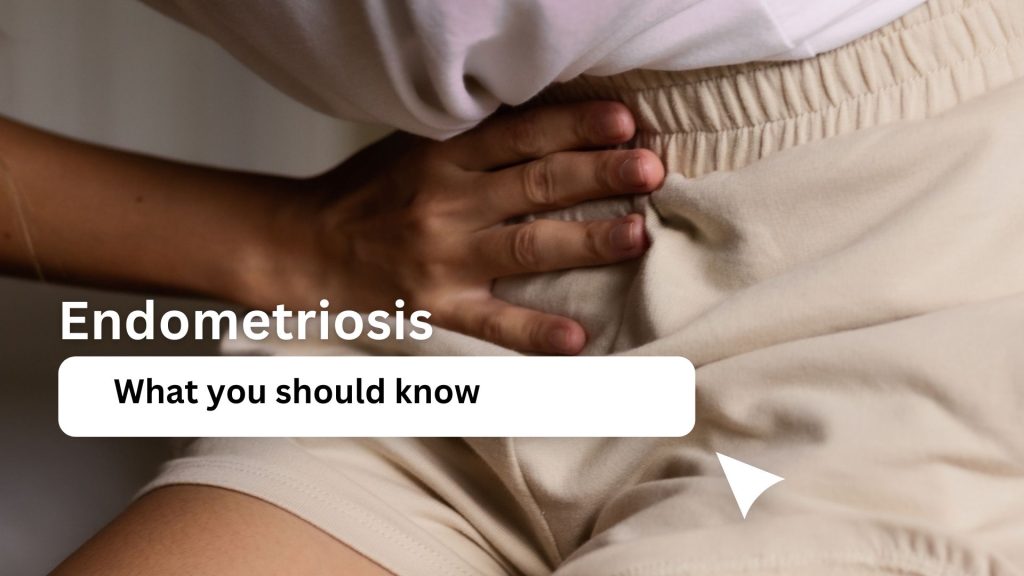
Endometriosis photo

What is Endometriosis? Endometriosis is a medical condition in which tissue similar to the lining of the uterus (endometrium) grows outside the uterus. This abnormal tissue can be found on the ovaries, fallopian tubes, the outer surface of the uterus, and other organs within the pelvis. This can cause chronic pain, heavy periods, and fertility issues. Endometriosis in Africa: Statistics Endometriosis is underdiagnosed and underreported in Africa due to a lack of awareness, limited healthcare access, and cultural taboos surrounding reproductive health. It is estimated that around 10% of women of reproductive age worldwide suffer from endometriosis, and while there is limited comprehensive data from Africa, studies indicate that African women are affected at similar rates. Efforts to improve diagnosis and treatment in Africa are increasing, with advocacy groups raising awareness. Symptoms of Endometriosis: Pelvic pain: Especially during menstruation (dysmenorrhea). Heavy periods: Unusually heavy bleeding during menstruation. Pain during intercourse. Pain during bowel movements or urination: Especially during menstruation. Infertility: Difficulty in conceiving. Fatigue, diarrhea, constipation, bloating, and nausea: Especially during menstruation. Risk Factors: Menstruating age: Endometriosis is most common in women in their 30s and 40s. Family history: Having a mother, sister, or aunt with endometriosis increases your risk. Early menstruation: Starting your period at an early age. Short menstrual cycles: Less than 27 days. Heavy periods. Delayed childbirth: Women who delay childbirth are at higher risk. Prevention: There is no known way to prevent endometriosis. However, certain lifestyle changes may help reduce the severity of symptoms or lower the risk of complications: Exercise regularly. Maintain a healthy weight. Use hormonal contraception: Can help reduce or eliminate menstrual periods and reduce symptoms. Treatment: Pain relief: Over-the-counter pain relievers such as ibuprofen and other anti-inflammatory drugs. Hormone therapy: Birth control pills, hormonal IUDs, or GnRH agonists to reduce or stop menstruation. Surgery: Laparoscopy to remove endometrial tissue growths. Fertility treatment: In vitro fertilization (IVF) may help women with fertility issues related to endometriosis. Lifestyle management: Including diet and exercise can help in symptom management. Early diagnosis and intervention can greatly improve quality of life for women living with endometriosis.  

Share info with friends

What do you know about Sickle Cell Disease (SCD)?

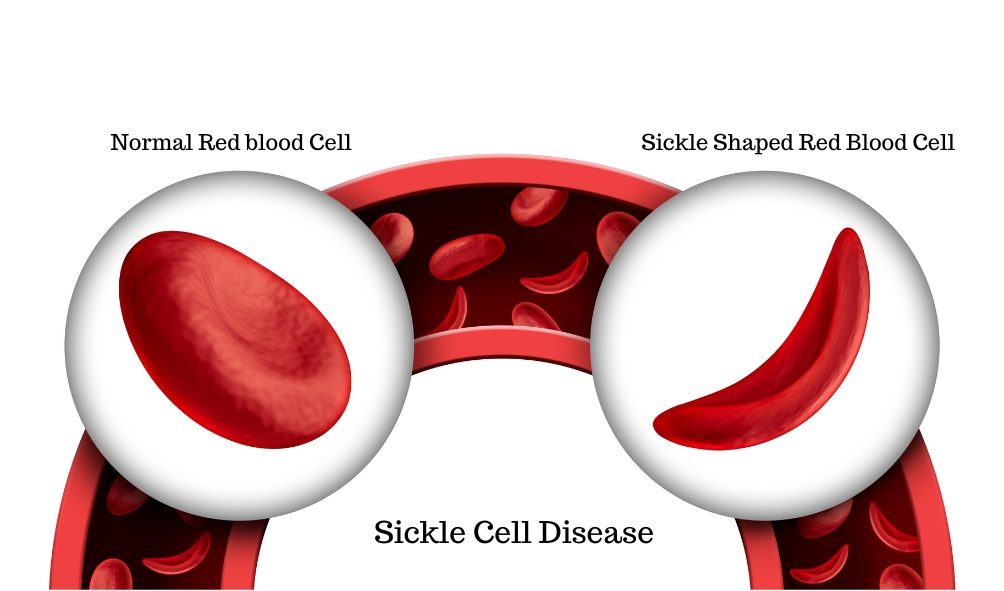
What is Sickle Cell Disease? Sickle cell disease is a genetic disorder that affects red blood cells. Normally, red blood cells are round and flexible, allowing them to move easily through blood vessels. In SCD, these cells become rigid and shaped like a crescent or sickle, which can block blood flow and lead to serious health complications. Risk Factors/Causes of Sickle Cell Sickle cell disease is caused by a mutation in the gene responsible for producing hemoglobin, the protein that carries oxygen in the blood. A person needs to inherit two copies of the sickle cell gene (one from each parent) to have the disease. Genetic inheritance: The primary risk factor is having parents who carry the sickle cell trait. If both parents carry the trait, there’s a 25% chance their child will have the disease. Ethnic background: It is more common in individuals of African, Mediterranean, Middle Eastern, and Indian ancestry. Symptoms of Sickle Cell Disease Symptoms can vary but often include: Pain episodes (crises): Pain caused by the blockage of blood flow to different parts of the body. Fatigue: Caused by anemia due to the breakdown of sickle-shaped cells. Swelling of hands and feet: Blockage of blood flow in small bones. Frequent infections: Sickle cells damage the spleen, making infections more common. Delayed growth: A result of fewer healthy red blood cells carrying oxygen to organs. Vision problems: Caused by damage to the blood vessels in the eyes. Prevention of Sickle Cell Since sickle cell disease is inherited, there is no absolute way to prevent it. However, steps can be taken to reduce its occurrence and manage its symptoms: Genetic counseling: For people with a family history of sickle cell, genetic testing and counseling before having children can help assess the risk of passing the gene. Newborn screening: Early diagnosis can help manage the disease and prevent complications. Education and awareness: Increased awareness can help at-risk populations make informed reproductive choices. Preventative care also focuses on minimizing complications and symptoms through vaccinations, regular checkups, and appropriate medical management. Sickle Cell Awareness Month is observed every September to raise awareness about sickle cell disease (SCD), its impact on individuals, and efforts toward its treatment and prevention.

Share info with friends

10 Tips To Help You Improve Your Economic Situation

Improving your economic situation involves a combination of smart financial habits, planning, and potentially increasing your income. Here are some tips: 1. Create a Budget Track your income and expenses to understand where your money qgoes and identify areas where you can cut back. 2. Reduce Unnecessary Expenses Identify non-essential spending and find ways to reduce it, such as eating out less or canceling unused subscriptions. 3. Save Regularly Set aside a portion of your income each month into a savings account, even if it’s a small amount. 4. Build an Emergency Fund  Aim to save at least three to six months’ worth of living expenses to cover unexpected costs. 5. Pay Off Debt Focus on paying off high-interest debt first, such as credit cards, to reduce interest payments over time. 6. Invest Wisely  Consider investing in stocks, bonds, or mutual funds to grow your wealth over time. Seek professional advice if needed. 7. Increase Your Income Look for opportunities to earn extra money, such as freelancing, part-time work, or starting a side business. 8.Improve Your Skills Invest in education or training to increase your employability and potential for higher earnings. 9. Plan for Retirement Contribute to retirement savings plans to ensure long-term financial security. 10. Stay Informed Keep up with economic news and financial trends to make informed. decisions about your money.

Share info with friends

10 Tips for a Successful Day

Having a successful day often involves a mix of planning, productivity, and self-care. Here are ten tips to help you have a successful day: Start with a Morning Routine: Begin your day with a consistent routine, such as stretching, meditating, or enjoying a healthy breakfast. This sets a positive tone for the day. Plan Your Day: Use a planner or digital calendar to outline your tasks and goals. Prioritizing your tasks helps you focus on what’s important and manage your time effectively. Set Clear Goals: Define what success looks like for the day by setting clear, achievable goals. Break down larger tasks into smaller, manageable steps. Stay Organized: Keep your workspace and digital files organized. A clutter-free environment can boost your focus and efficiency. Limit Distractions: Identify common distractions and find ways to minimize them. This might include turning off notifications or setting specific times to check emails and social media. Take Breaks: Regular breaks can prevent burnout and keep you focused. Step away from your work periodically to rest and recharge. Stay Hydrated and Eat Well: Keep your energy levels up by drinking water throughout the day and eating nutritious meals. Avoid too much caffeine or sugar, which can lead to energy crashes. Stay Positive: Maintain a positive attitude, even when challenges arise. Positive thinking can improve problem-solving and keep you motivated. Reflect on Your Day: At the end of the day, take a few minutes to reflect on what you accomplished and what could be improved. This helps you learn and grow. Wind Down for the Evening: Create an evening routine that helps you relax and prepare for a good night’s sleep. Avoid screens before bed, and consider reading or meditating to unwind. Incorporating these tips into your daily routine can help you stay productive, focused, and balanced.

Share info with friends

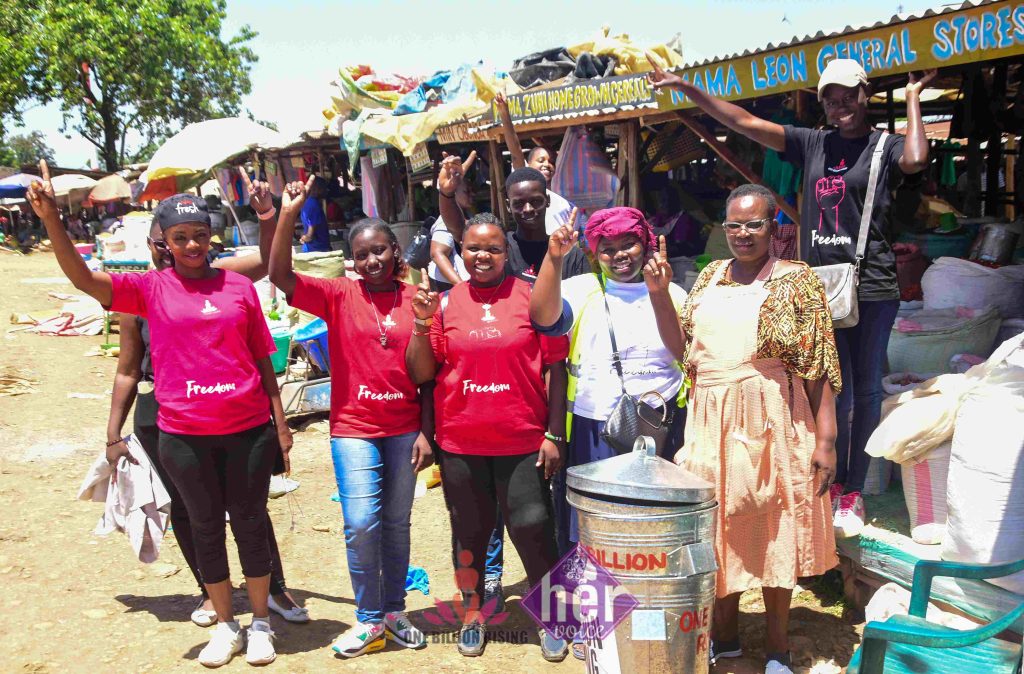
Earth Day marked with Anti-Plastic Campaign in Kisumu Markets

One Billion Rising celebrated Earth Day by engaging with the community at Jubilee and Kibuye markets in Kisumu. The event aimed to raise awareness about the harmful effects of using plastic bags and the advantages of recycling plastics.Through interactive sessions, games, and skits, East Africa Plus Size Modelling Affair contestants highlighted the importance of adopting eco-friendly practices regarding plastic items and zero use of plastic paper bags to protect the environment. In each market, One billion donated two dustbins to be used to collect plastic material to be collected for recycling.This initiative emphasized the interconnectedness of environmental issues with broader social causes, fostering a sense of responsibility and activism among participants. CLICK TO SEE MORE PHOTOS

Share info with friends
Scroll to Top