Health info

Understanding Breast Cancer

Breast cancer is one of the most common cancers affecting women worldwide, though men can also develop it in rare cases. It occurs when abnormal cells in the breast grow uncontrollably, forming a lump or mass. While early detection increases the chances of successful treatment, understanding what breast cancer is, its causes, symptoms, and treatment options is vital for everyone. What is Breast Cancer? Breast cancer originates in the cells of the breast, typically in the ducts (tubes that carry milk to the nipple) or lobules (glands that produce milk). It can be invasive, meaning the cancer has spread to surrounding tissues, or non-invasive, confined within the ducts or lobules. Breast cancer is categorized into various types, such as ductal carcinoma in situ (DCIS), invasive ductal carcinoma (IDC), and triple-negative breast cancer, depending on its behavior and specific characteristics. Causes of Breast Cancer The exact cause of breast cancer remains unknown, but several factors can increase the risk of developing the disease. These include: 1. Genetic mutations: Inherited gene mutations, particularly BRCA1 and BRCA2, increase the likelihood of breast cancer.2. Family history: Having close relatives with breast cancer may raise the risk.3. Age: Women over 50 are more likely to develop breast cancer.4. Hormonal factors: Long-term exposure to estrogen, either through early menstruation, late menopause, or hormone replacement therapy, can elevate the risk.5. Lifestyle factors: Smoking, alcohol consumption, obesity, and lack of exercise have been linked to a higher risk of breast cancer. Symptoms of Breast Cancer The symptoms of breast cancer can vary from one person to another. Common signs include: A lump or thickening in the breast or underarm Changes in the shape, size, or appearance of the breast Nipple discharge, especially if bloody Redness or scaling on the breast or nipple Pain in the breast that doesn’t go away with timeIt is important to note that not all lumps are cancerous, but any noticeable changes should be examined by a healthcare professional for early detection. Treatment Options Breast cancer treatment varies depending on the stage and type of cancer. The most common options include 1. Surgery: Removing the cancerous tissue through a lumpectomy (removal of the tumor and some surrounding tissue) or mastectomy (removal of the whole breast).2. Chemotherapy: Drugs used to kill cancer cells or shrink tumors before surgery.3. Radiation therapy: High-energy rays are used to target and destroy cancer cells in the breast area.4. Hormone therapy: For cancers that are hormone receptor-positive, this treatment blocks the hormones that fuel the cancer’s growth.5. Targeted therapy: These treatments, like HER2 inhibitors, target specific proteins that promote cancer growth.6. Immunotherapy: Stimulates the body’s immune system to attack cancer cells. ConclusionBreast cancer is a complex disease, but early detection through regular screenings such as mammograms significantly improves treatment outcomes. Knowing the risk factors, recognizing symptoms, and seeking medical attention for any changes are key steps toward prevention and early intervention. With ongoing research, advancements in treatments offer hope and better outcomes for those diagnosed with breast cancer, making it increasingly possible to live a full life after diagnosis.   Share info with friends

Share info with friends

Endometriosis

Endometriosis photo

What is Endometriosis? Endometriosis is a medical condition in which tissue similar to the lining of the uterus (endometrium) grows outside the uterus. This abnormal tissue can be found on the ovaries, fallopian tubes, the outer surface of the uterus, and other organs within the pelvis. This can cause chronic pain, heavy periods, and fertility issues. Endometriosis in Africa: Statistics Endometriosis is underdiagnosed and underreported in Africa due to a lack of awareness, limited healthcare access, and cultural taboos surrounding reproductive health. It is estimated that around 10% of women of reproductive age worldwide suffer from endometriosis, and while there is limited comprehensive data from Africa, studies indicate that African women are affected at similar rates. Efforts to improve diagnosis and treatment in Africa are increasing, with advocacy groups raising awareness. Symptoms of Endometriosis: Pelvic pain: Especially during menstruation (dysmenorrhea). Heavy periods: Unusually heavy bleeding during menstruation. Pain during intercourse. Pain during bowel movements or urination: Especially during menstruation. Infertility: Difficulty in conceiving. Fatigue, diarrhea, constipation, bloating, and nausea: Especially during menstruation. Risk Factors: Menstruating age: Endometriosis is most common in women in their 30s and 40s. Family history: Having a mother, sister, or aunt with endometriosis increases your risk. Early menstruation: Starting your period at an early age. Short menstrual cycles: Less than 27 days. Heavy periods. Delayed childbirth: Women who delay childbirth are at higher risk. Prevention: There is no known way to prevent endometriosis. However, certain lifestyle changes may help reduce the severity of symptoms or lower the risk of complications: Exercise regularly. Maintain a healthy weight. Use hormonal contraception: Can help reduce or eliminate menstrual periods and reduce symptoms. Treatment: Pain relief: Over-the-counter pain relievers such as ibuprofen and other anti-inflammatory drugs. Hormone therapy: Birth control pills, hormonal IUDs, or GnRH agonists to reduce or stop menstruation. Surgery: Laparoscopy to remove endometrial tissue growths. Fertility treatment: In vitro fertilization (IVF) may help women with fertility issues related to endometriosis. Lifestyle management: Including diet and exercise can help in symptom management. Early diagnosis and intervention can greatly improve quality of life for women living with endometriosis.   Share info with friends

Share info with friends

What do you know about Sickle Cell Disease (SCD)?

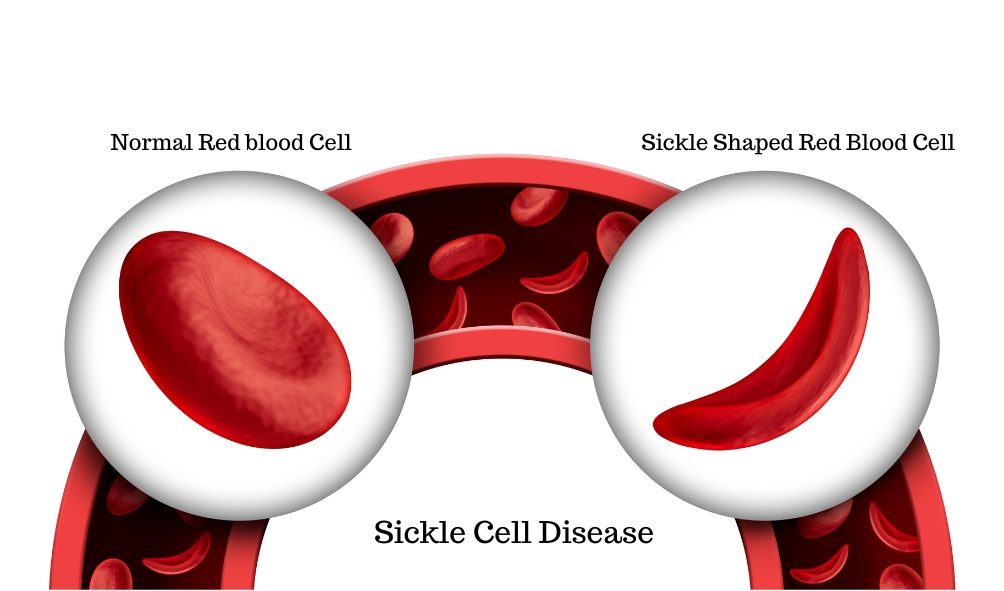
What is Sickle Cell Disease? Sickle cell disease is a genetic disorder that affects red blood cells. Normally, red blood cells are round and flexible, allowing them to move easily through blood vessels. In SCD, these cells become rigid and shaped like a crescent or sickle, which can block blood flow and lead to serious health complications. Risk Factors/Causes of Sickle Cell Sickle cell disease is caused by a mutation in the gene responsible for producing hemoglobin, the protein that carries oxygen in the blood. A person needs to inherit two copies of the sickle cell gene (one from each parent) to have the disease. Genetic inheritance: The primary risk factor is having parents who carry the sickle cell trait. If both parents carry the trait, there’s a 25% chance their child will have the disease. Ethnic background: It is more common in individuals of African, Mediterranean, Middle Eastern, and Indian ancestry. Symptoms of Sickle Cell Disease Symptoms can vary but often include: Pain episodes (crises): Pain caused by the blockage of blood flow to different parts of the body. Fatigue: Caused by anemia due to the breakdown of sickle-shaped cells. Swelling of hands and feet: Blockage of blood flow in small bones. Frequent infections: Sickle cells damage the spleen, making infections more common. Delayed growth: A result of fewer healthy red blood cells carrying oxygen to organs. Vision problems: Caused by damage to the blood vessels in the eyes. Prevention of Sickle Cell Since sickle cell disease is inherited, there is no absolute way to prevent it. However, steps can be taken to reduce its occurrence and manage its symptoms: Genetic counseling: For people with a family history of sickle cell, genetic testing and counseling before having children can help assess the risk of passing the gene. Newborn screening: Early diagnosis can help manage the disease and prevent complications. Education and awareness: Increased awareness can help at-risk populations make informed reproductive choices. Preventative care also focuses on minimizing complications and symptoms through vaccinations, regular checkups, and appropriate medical management. Sickle Cell Awareness Month is observed every September to raise awareness about sickle cell disease (SCD), its impact on individuals, and efforts toward its treatment and prevention. Share info with friends

Share info with friends
Scroll to Top