
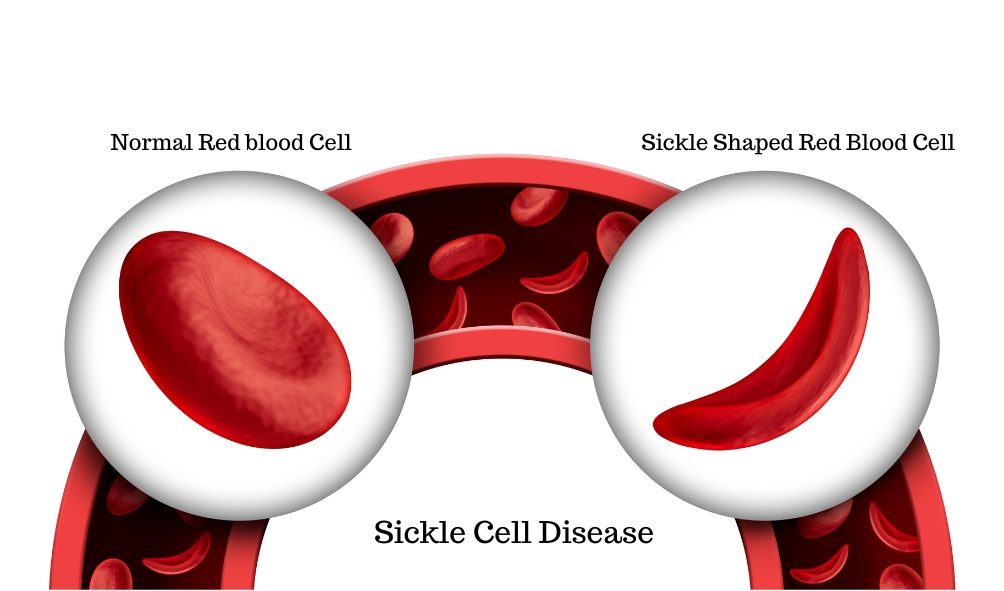
What is Sickle Cell Disease?
Sickle cell disease is a genetic disorder that affects red blood cells. Normally, red blood cells are round and flexible, allowing them to move easily through blood vessels. In SCD, these cells become rigid and shaped like a crescent or sickle, which can block blood flow and lead to serious health complications.
Risk Factors/Causes of Sickle Cell
Sickle cell disease is caused by a mutation in the gene responsible for producing hemoglobin, the protein that carries oxygen in the blood. A person needs to inherit two copies of the sickle cell gene (one from each parent) to have the disease.
- Genetic inheritance: The primary risk factor is having parents who carry the sickle cell trait. If both parents carry the trait, there’s a 25% chance their child will have the disease.
- Ethnic background: It is more common in individuals of African, Mediterranean, Middle Eastern, and Indian ancestry.
Symptoms of Sickle Cell Disease
Symptoms can vary but often include:
- Pain episodes (crises): Pain caused by the blockage of blood flow to different parts of the body.
- Fatigue: Caused by anemia due to the breakdown of sickle-shaped cells.
- Swelling of hands and feet: Blockage of blood flow in small bones.
- Frequent infections: Sickle cells damage the spleen, making infections more common.
- Delayed growth: A result of fewer healthy red blood cells carrying oxygen to organs.
- Vision problems: Caused by damage to the blood vessels in the eyes.
Prevention of Sickle Cell
Since sickle cell disease is inherited, there is no absolute way to prevent it. However, steps can be taken to reduce its occurrence and manage its symptoms:
- Genetic counseling: For people with a family history of sickle cell, genetic testing and counseling before having children can help assess the risk of passing the gene.
- Newborn screening: Early diagnosis can help manage the disease and prevent complications.
- Education and awareness: Increased awareness can help at-risk populations make informed reproductive choices.
Preventative care also focuses on minimizing complications and symptoms through vaccinations, regular checkups, and appropriate medical management.
Sickle Cell Awareness Month is observed every September to raise awareness about sickle cell disease (SCD), its impact on individuals, and efforts toward its treatment and prevention.
