
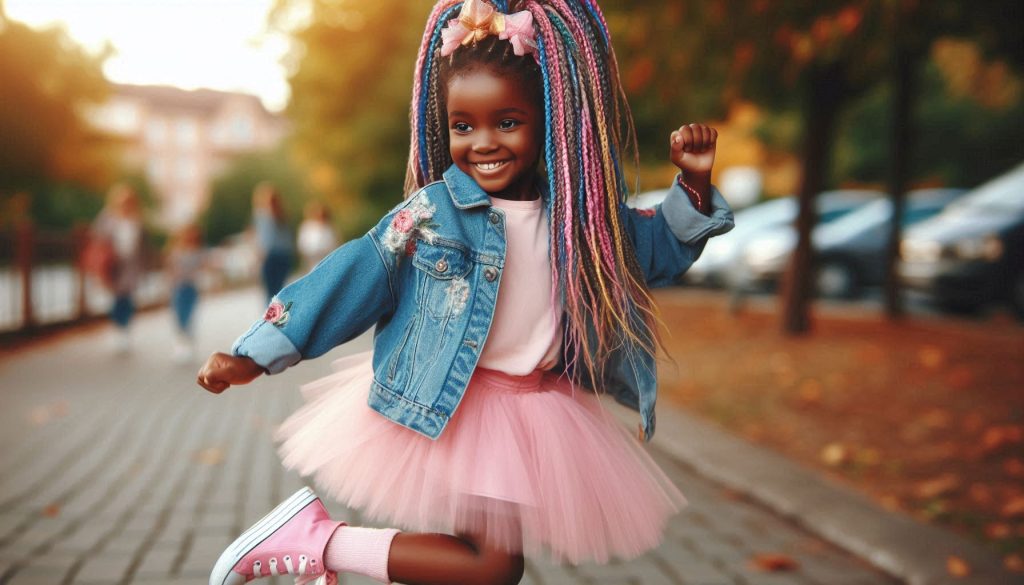
The African girl child faces a unique set of challenges that hinder her ability to reach her full potential.
Despite progress in recent years, many girls still struggle with access to education, especially in rural areas where cultural norms and poverty remain barriers. Gender-based violence, early marriage, and teenage pregnancy disproportionately affect girls, often cutting their education short. Limited access to health services and inadequate menstrual hygiene facilities further disadvantage girls, contributing to absenteeism and dropout rates in schools.
It is crucial for both governments and communities to take urgent action. Governments must enforce laws that protect girls from early marriage, violence, and ensure free and compulsory education for all children.
Education programs should also include comprehensive sexual health education to equip girls with the knowledge they need to stay safe and healthy. Additionally, investing in mentorship and empowerment programs can give girls the tools to build their confidence and leadership skills.
Communities play a vital role in reshaping cultural norms and attitudes. By creating safe spaces for girls to express themselves and ensuring local leaders advocate for their rights, communities can foster environments where girls can thrive. Together, we can create a world where the African girl child is free to dream, learn, and lead. Let’s act now to break the barriers and uplift the future of our girls.
